CARE for women: Investing in care delivery to improve women’s lives and livelihoods
McKinsey Insights & Publications
13 mai 2026, 00:00
Texte de la source originale
[Skip to main content](https://www.mckinsey.com/mhi/our-insights/care-for-women-investing-in-care-delivery-to-improve-womens-lives-and-livelihoods#skipToMain)     McKinsey Health Institute ## CARE for women: Investing in care delivery to improve women’s lives and livelihoods May 13, 2026Interactive The women’s health gap—which globally creates 75 million years of life lost per year due to poor health or early death—reflects challenges in data, efficacy, and care delivery. A third of the women’s health gap reflects a lack of adequate care delivery. More can be done to achieve consistent, high-quality care delivery for women, including in screening, diagnosis, and treatment. By focusing on three illustrative pathways—breast arterial calcification and cardiovascular disease risk, pregnancy and cardiovascular disease risk, and perinatal depression—stakeholders can see how the gap can be closed and how to improve patients’ lives and livelihoods. Each pathway can be seen through the lens of CARE: conduct research and gather clinical evidence; align care and integrate referral pathways; report with clear guidelines and standards; and engage patients and other health system stakeholders in patient-centered care. Skip to solutions  Share [Print](https://www.mckinsey.com/mhi/our-insights/care-for-women-investing-in-care-delivery-to-improve-womens-lives-and-livelihoods#/print) Download [Save](https://www.mckinsey.com/mhi/our-insights/care-for-women-investing-in-care-delivery-to-improve-womens-lives-and-livelihoods#/save) Care delivery failures account for 34 percent of the women’s health gap. Earlier preventive care could avert tens of thousands of adverse events and generate three- to sixfold returns through lower medical costs. ### DOWNLOADS  [Full Report (42 pages)](https://www.mckinsey.com/mhi/our-insights/care-for-women-investing-in-care-delivery-to-improve-womens-lives-and-livelihoods#/download/%2F~%2Fmedia%2Fmckinsey%2Fmckinsey%20health%20institute%2Four%20insights%2Fcare%20for%20women%20elevating%20care%20delivery%20while%20improving%20lives%20and%20economies%2Fwef_care_for_women_2026.pdf%3FshouldIndex%3Dfalse) [Technical Appendix (12 pages)](https://www.mckinsey.com/mhi/our-insights/care-for-women-investing-in-care-delivery-to-improve-womens-lives-and-livelihoods#/download/%2F~%2Fmedia%2Fmckinsey%2Fmckinsey%20health%20institute%2Four%20insights%2Fcare%20for%20women%20elevating%20care%20delivery%20while%20improving%20lives%20and%20economies%2Ftechnical-appendix-care-for-women-elevating-care-delivery-while-improving-lives-and-economies.pdf%3FshouldIndex%3Dfalse) ## At a glance - _Roughly one-third of the women’s health gap_ (34 percent) arises from care delivery inequities, notably preventable underscreening, underdiagnosis, and undertreatment. - _Improving care delivery for women_—ranging from standardized screening to improved referral pathways and reporting—could close a third of the women’s health gap and avert nearly 70,000 medical events in the United States across three pathways alone. - _Preventive care for women_ could help avoid costly events and would allow each woman to reclaim 2.5 days annually of better health through improvements to care delivery. - _Exploring three pathways_—breast arterial calcification and cardiovascular disease risk, pregnancy and cardiovascular disease risk, and perinatal depression—shows the value of clear, evidence-based interventions in women’s health. - _The CARE framework_— **C** onduct research and gather clinical evidence; **A** lign care and integrate referral pathways; **R** eport using clear guidelines and standards; and **E** ngage patients and other health system stakeholders in patient-centered care—offers a new path forward. * * * **Women** [**spend more than 25 percent**](https://www.mckinsey.com/mhi/our-insights/closing-the-womens-health-gap-a-1-trillion-dollar-opportunity-to-improve-lives-and-economies) of their lives in poor health compared with men, on average. The failure to deliver consistent, high-quality healthcare for women contributes to one-third of the women’s health gap.1_Closing the women’s health gap: A $1 trillion opportunity to improve lives,_ World Economic Forum and McKinsey Health Institute, January 2024. Better sex- and gender-appropriate care delivery could reduce the women’s health burden by 26 million disability-adjusted life years (DALYs) per year globally by 2040, corresponding to 2.5 days per woman per year.2_Closing the women’s health gap: A $1 trillion opportunity to improve lives,_ World Economic Forum and McKinsey Health Institute, January 2024. Byline ## About the authors This article is a collaborative effort by [Anouk Petersen](https://www.mckinsey.com/our-people/anouk-petersen), [Lucy Pérez](https://www.mckinsey.com/our-people/lucy-perez), Molly Bode, and [Pooja Kumar](https://www.mckinsey.com/our-people/pooja-kumar), with Caroline Berchuck, representing views from the McKinsey Health Institute. The care delivery gap means that the implementation of evidence-based practices needs to be strengthened, assessed, and often redesigned for optimal care for women. The gaps can be grouped into three categories: - _underscreening:_ missed opportunities for early detection of cancer, mental health conditions, and cardiovascular risk; lack of standardized guidance for screenings - _underdiagnosis:_ delayed recognition of conditions such as heart attack due to atypical symptoms; lack of sex- and gender-specific criteria for diagnosis - _undertreatment:_ lower rates of guideline-recommended interventions, such as cardiac rehabilitation; lack of provider awareness of treatment options; and delays in treatment escalation Health systems could address each of these categories by enacting the CARE framework, developed by the World Economic Forum (the Forum) and the McKinsey Health Institute (MHI), together with a consortium of more than 20 expert leaders from different health institutions: - C: Conduct research and gather clinical evidence - A: Align care and integrate referral pathways - R: Report with clear guidelines and standards - E: Engage patients and other health system stakeholders in patient-centered care This report deepens the investment case for women’s health, highlighting opportunities in care delivery and estimating their potential to support the health of women and economies. It explores three pathways—breast arterial calcification (BAC) and cardiovascular disease risk, pregnancy and cardiovascular disease risk, and perinatal depression—that are representative of a broader set of conditions across cardiovascular disease, maternal health, and mental health conditions. It includes an interactive road map that allows healthcare systems, providers, and other stakeholders to delve deeper into solutions across CARE to close gaps. While this report focuses on improving care delivery within existing clinical pathways, it addresses only one component of the broader women’s health challenge. Many of the largest drivers of disease burden—including chronic condition management, disparities in access across rural and underserved populations, and affordability constraints—require systemic changes beyond the scope of this report. This report instead focuses on a complementary and actionable opportunity: improving how care is delivered today by building on existing infrastructure and patient touchpoints to enable earlier intervention and prevent avoidable downstream outcomes, as illustrated by three pathways. Shifting from reactive to proactive care can reduce the incidence and progression of chronic conditions over time, as earlier risk identification and management compound across populations and life stages. In this way, strengthening care delivery within existing pathways delivers near-term value while also contributing to reducing the long-term burden of chronic disease for women, health systems, and economies. The report and road map are actionable: Governments, health systems, practitioners, and other stakeholders can begin making meaningful improvements across pathways today. Additionally, the road map is global in scope but locally adaptable. While challenges differ among and within countries, the imperative to act is universal. 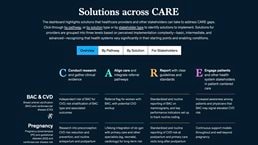 [Jump to solutions dashboard](https://www.mckinsey.com/mhi/our-insights/care-for-women-investing-in-care-delivery-to-improve-womens-lives-and-livelihoods#dashboard) ## Understanding gaps through three pathways Three clinical pathways with major gaps in the treatment of women provide a focus for identifying and scaling better practices. The evidence is unequivocal: Women receive less evidence-based care (from screening to diagnosis to treatment) for many high-burden conditions, leading to worse outcomes. Cardiovascular diseases account for the largest share of care gaps for women, followed by cancer, gynecological conditions, maternal disorders, and mental health conditions. In cardiovascular care, even though men are more likely to experience a heart attack, several global studies point to worse outcomes for women, including higher mortality rates. Women are also less likely than men to receive cardiovascular care. For example, in an analysis of select high-income economies, women were 13 percent less likely to receive percutaneous coronary intervention, used to treat blocked coronary arteries due to blood clots, and 6 percent less likely to receive cardiac catheterization treatment, often used to diagnose the presence of blockages.3Tiberiu Pana et al., “Sex differences in myocardial infarction care and outcomes: a longitudinal Scottish National Data-Linkage Study,” _European Journal of Preventive Cardiology,_ 2024, Volume 32, Number 8. Cardiovascular guidelines often do not reflect women-specific treatment or diagnostic criteria, despite cardiovascular diseases accounting for approximately 35 percent of all deaths among women globally.4Dominique Vervoort et al., “Addressing the global burden of cardiovascular disease in women: JACC state-of-the-art review,” _Journal of the American College of Cardiology_, 2024,Volume 83, Number 25. Providers recognize this gap: A 2019 survey of US primary care physicians (PCPs) and cardiologists found that only 22 percent of PCPs and 42 percent of cardiologists reported being extremely well prepared to assess cardiovascular disease risk in women,5Nino Isakadze et al., “Addressing the gap in physician preparedness to assess cardiovascular risk in women: A comprehensive approach to cardiovascular risk assessment in women,” _Current Treatment Options in Cardiovascular Medicine_, 2019, Volume 21, Number 9. leaving the vast majority feeling underprepared to treat cardiovascular disease in women. At a broader level, the opportunity to improve the global economy is estimated at $43 billion annually by 2040 if the gender gap in ischemic heart disease were closed.6_Blueprint to close the women’s health gap: How to improve lives and economies for all,_ World Economic Forum and McKinsey Health Institute, January 2025. This reflects estimated annual gains in DALYs and GDP, where women live longer and in better health. Share Sidebar ## Methodology **The World Economic Forum and McKinsey Health Institute** analysis drew on three sources: a review of the literature; analysis of conditions with the largest care delivery gaps highlighted in the [_Closing the women’s health gap_](https://www3.weforum.org/docs/WEF_Closing_the_Women%E2%80%99s_Health_Gap_2024.pdf) report; and input from the Global Alliance for Women’s Care Delivery Consortium—a group of experts from more than 20 healthcare institutions worldwide focused on advancing women’s health. The team identified three clinical pathways with substantial gaps, which were prioritized as examples where better practices can be identified and scaled. The authors note that these three pathways are intended to be contained, actionable, and illustrative of the broader women’s care delivery gap. Alongside the qualitative assessment of how better care delivery could improve women’s health, a quantitative modeling approach was used to estimate the clinical and economic impact of improving care delivery across the three pathways in the United States. This analysis focused on the United States because of the availability of de-identified US claims data to estimate the size of affected populations, assess current rates of diagnosis and treatment, and identify gaps in screening, diagnosis, and care delivery. Literature-based evidence, coupled with claims data, was used to model the impact of closing these gaps—through improved screening, earlier diagnosis, and sustained treatment—on health outcomes and healthcare use. The economic opportunity presented in this report reflects the potential return on investment for health systems from preventive care for women. Cardiovascular disease are a leading cause of maternal mortality, with hypertensive disorders responsible for around 16 percent of maternal mortality cases.7“Pre-eclampsia,” World Health Organization, December 10, 2025. This is one reason cardiovascular disease risk is important to assess not only during pregnancy but also long term. In the landscape of mental health, untreated perinatal depression is linked to effects on mother and baby, ranging from preterm birth, low birth weight, and intrauterine growth restriction to a long-term risk of suicidal behavior.8Upama Ghimire et al., “Depression during pregnancy and the risk of low birth weight, preterm birth and intrauterine growth restriction – an updated meta-analysis,” _Early Human Development_, 2021, Volume 152, Number 105243; Hang Yu et al., “Perinatal depression and risk of suicidal behavior,” 2024, _JAMA Network Open_, Volume 7, Number 1. Improved care delivery is within reach—and it can harness what already exists. For example, as of 2026, a small percentage of radiologists globally assess mammograms for BAC. In this report, the World Economic Forum and the McKinsey Health Institute team, alongside a consortium of more than 20 institutions, show how these pathways can identify where gaps are most persistent and how they could be closed (see sidebar, “Methodology”). The three pathways are [breast arterial calcification and cardiovascular disease](https://www.mckinsey.com/mhi/our-insights/care-for-women-investing-in-care-delivery-to-improve-womens-lives-and-livelihoods#breast-arterial-calcification-and-cardiovascular-disease), [pregnancy and cardiovascular disease risk](https://www.mckinsey.com/mhi/our-insights/care-for-women-investing-in-care-delivery-to-improve-womens-lives-and-livelihoods#pregnancy-and-cardiovascular-disease-risk) (focused on preeclampsia and gestational diabetes), and [perinatal depression](https://www.mckinsey.com/mhi/our-insights/care-for-women-investing-in-care-delivery-to-improve-womens-lives-and-livelihoods#perinatal-depression). Navigate these journeys through our interactive.  ## Breast arterial calcification and cardiovascular disease Breast arterial calcification (BAC) refers to calcium deposits within the arterial walls of the breast that radiologists can view through standard mammography. Routine mammogram screenings are recommended in women aged 40 and over, yet coverage among eligible women varies widely worldwide, ranging from below 20 percent in low-resource settings to around 70 to 80 percent in high-income regions.R. Ebrahimoghli et al., “Uptake of breast cancer screening practices in low- and middle-income countries: A systematic review and meta-analysis,” Journal of the National Cancer Institute , 2025, Volume 117, Number 1; Ava Tsapatsaris et al., “Review of mammography screening guidelines of the 5 largest global economies,” Clinical Imaging, 2025, Volume 120.\[1\] Unlike breast tumor calcifications, BAC reflects vascular calcification and has been studied as a potential imaging marker of systemic cardiovascular disease risk. BAC is present in around 20 to 30 percent of mammograms, varying by race and ethnicity.C. Iribarren et al., “Breast arterial calcification: A novel cardiovascular risk enhancer among postmenopausal women,” Circulation: Cardiovascular Imaging , 2022, Volume 15, Number 3.\[2\] A growing body of evidence links BAC to higher rates of future cardiovascular events, even after accounting for traditional risk factors, such as calcium scores or lipid profiles.C. Iribarren et al., “Breast arterial calcification: A novel cardiovascular risk enhancer among postmenopausal women,” Circulation: Cardiovascular Imaging , 2022, Volume 15, Number 3; Theodorus Dapamede et al., “Artificial intelligence-based quantification of breast arterial calcifications to predict cardiovascular morbidity and mortality,” European Heart Journal , 2026.\[3\] For example, one study found that women with BAC had about a 1.5-fold higher risk of heart failure.C. Iribarren, et al., “Breast vascular calcification and risk of coronary heart disease, stroke, and heart failure,” Journal of Women’s Health , 2004, Volume 13, Number 4.\[4\] Overall, BAC has been linked to a higher risk of heart disease and death, including about a 58 percent increased risk of cardiovascular events over time.C. Iribarren et al., “Breast arterial calcification: A novel cardiovascular risk enhancer among postmenopausal women,” Circulation: Cardiovascular Imaging , 2022, Volume 15, Number 3.\[5\] However, further steps are needed to integrate, report, and triage BAC within existing pathways. For example, understanding risk stratification for BAC screening—such as mild, moderate, and severe BAC and the associated hazard ratios for adverse cardiovascular events—as well as how to integrate BAC identification and follow-up into patient journeys, remains largely underresearched. There are also inconsistencies among providers in how to read, score, and report BAC; some radiologists have resisted the use of BAC in breast imaging or disagreed about the categorization of medial versus intimal calcification.Medial calcification, which has historically been seen as benign, refers to calcium deposits in the medial layer of arteries, causing artery stiffness and correlated to risk for diseases such as heart failure. Intimal calcification refers to calcium deposits in the inner artery lining and poses a substantial risk of coronary artery disease; J. Jalkiewicz, “Breast arterial calcification: Why radiologists should start reporting this silent risk factor for heart disease,” Applied Radiology , October 1, 2025.\[6\] Other research is evaluating the best messages to patients encouraging postassessment measures.K. J. Head et al., “Examining gain- and loss-framed messages in a novel breast cancer screening/cardiovascular context: Does framing matter?,” PEC Innovation , 2022, Volume 1; K. M. Zaki-Metias et al., “Breast arterial calcifications on mammography: Awareness and reporting preferences amongst referring physicians in Canada,” Canadian Association of Radiologists Journal , 2024, Volume 76, Number 1; S. R. Zwakenberg et al., “Intimal and medial calcification in relation to cardiovascular risk factors,” PLOS One , 2020, Volume 15, Number 7.\[7\] These factors and more highlight opportunities for payers, providers, and researchers to improve BAC as a tool for preventing heart disease. Follow Maya through her BAC journey Maya, 50, finds out she has breast arterial calcification (BAC) during her routine mammogram. Here is her journey—including pain points.  Step 1 Maya attends her routine mammogram screening For women like Maya, routine mammogram screenings are done starting at age 40. In the United States, about 70 percent of women receive a regular mammogram, while global rates range from 20 to 80 percent.   ! Pain Point Lack of BAC reporting While BAC is present in about 20 to 30 percent of mammograms, varying by race and ethnicity, there is no standardized screening.  Step 2 Maya is in a hospital system screening for BAC, a radiologist spots it on her mammogram Although there are currently no formal guidelines for BAC screening, the radiologist at Maya’s hospital notices BAC during mammography and reports it in Maya’s official mammogram report.  ! Pain Point No standardized form for communicating results There are no standardized clinical pathways to initiate referral to cardiology or to flag findings to primary care. Plus, a patient may be unable to see a [primary care physician](https://preview.mckinsey.com/mhi/our-insights/primary-care-reimagined-workforce-and-care-model-innovation-in-a-modern-age) (PCP).  Step 3 Maya has a primary care physician who reviews her risk assessment The primary care physician reviews Maya’s BAC finding and health history and requests a calcium score. Risk factors such as calcium score and lipid profile, together with BAC, may indicate the need for cardiology referral in women presenting with BAC. Given Maya’s elevated lipid profile, high calcium score, and BAC present in her mammogram, Maya’s PCP recommends a cardiology follow-up.  ! Pain Point No follow-ups Given that BAC is not currently used as a common cardiovascular screening tool, a PCP may not flag the need for cardiologist referral, further treatment, or preventive care based solely on BAC as a risk factor.  Step 4 Maya understands her cardiovascular risk and makes an appointment with a cardiologist Twenty percent of women with BAC have a major cardiovascular event within a decade, doubling the risk compared with women without BAC. Given the presence of BAC in Maya’s mammogram, her cardiologist recommends an exercise regimen, prescribes a statin, and schedules regular lipid monitoring with her PCP.  Step 5 At 55, Maya’s cardiovascular health is continuing to be monitored A primary care team continues to monitor Maya. A combination of lifestyle changes and medications keeps Maya in good health throughout the next several decades.  ## Pregnancy and cardiovascular disease risk Pregnancy is a critical point in many women’s lives and beyond: Long after a woman has given birth, there are meaningful effects on her cardiovascular and overall health. It is often a time of increased healthcare engagement and may uncover previously undiagnosed conditions. A woman’s cardiovascular system changes during pregnancy, and, for women with cardiovascular comorbidities or complications during pregnancy, these changes can be more pronounced and persist beyond pregnancy. For example, throughout pregnancy, a woman’s blood pressure is routinely monitored, and elevated blood pressure is associated with potential complications. Gestational hypertensive conditions include preeclampsia, a multisystem hypertensive disorder that typically presents after 20 weeks’ gestation and is linked to acute maternal–fetal morbidity. Increasing evidence points to long-term cardiovascular and metabolic risk. However, in separate assessments of cardiovascular risk at other points in women’s lives, a history of pregnancy-related risk factors is often overlooked. The origins of gestational hypertensive conditions remain largely unknown, despite their high prevalence. These conditions affect up to 8 percent of all pregnancies“Pre-eclampsia,” World Health Organization, December 10, 2025.\[8\] globally, with a higher burden in low- and middle-income countries. Roughly 16 percent of maternal deaths worldwide are attributable to hypertensive disorders such as preeclampsia, which in 2023 was equivalent to 42,000 deaths.“Pre-eclampsia,” World Health Organization, December 10, 2025.\[9\] Gestational diabetes likewise predicts future cardiometabolic disease. This disease, in which placental hormones create insulin resistance, affects roughly one in seven pregnancies.Diabetes Atlas: Prevalence of gestational diabetes mellitus (GDM), International Diabetes Federation, accessed April 7, 2026.\[10\] This figure is even higher among some ethnic minorities, reaching almost as much as 25 percent in Asian countries.K. W. Lee et al., “Prevalence and risk factors of gestational diabetes mellitus in Asia: A systematic review and meta-analysis,” BMC Pregnancy and Childbirth , 2018, Volume 18, Number 1; Diabetes Atlas: Prevalence of gestational diabetes mellitus (GDM), International Diabetes Federation, accessed April 7, 2026.\[11\] Women with these adverse pregnancy factors face higher lifetime cardiometabolic risk,M. B. Davis et al., “Team-based care of women with cardiovascular disease from pre-conception through pregnancy and post-partum,” Journal of the American College of Cardiology , 2021, Volume 77, Number 14.\[12\] with conditions associated with later development of cardiovascular risk factors and clinical cardiovascular disease (for example, coronary disease, stroke, and heart failure).N. I. Parikh et al., “Adverse pregnancy outcomes and cardiovascular disease risk: Unique opportunities for cardiovascular disease prevention in women: A scientific statement from the American Heart Association,” Circulation , 2021, Volume 143, Number 18.\[13\] Experts have identified higher subsequent cardiovascular risk (and, in some data sets, higher cardiovascular mortality) among women with prior gestational diabetes, even when they do not develop type 2 diabetes.Lew Chen and Yeyi Zhu, “Gestational diabetes mellitus and subsequent risks of diabetes and cardiovascular diseases: The life course perspective and implications of racial disparities,” Current Diabetes Reports , 2024, Volume 24, Number 11.\[14\] This supports pregnancy history as an important insight into cardiovascular prevention and risk mitigation. Pregnancy complications such as preeclampsia and gestational diabetes are not integrated into cardiovascular disease calculators, such as the American Heart Association’s Predicting Risk of Cardiovascular Disease Events (PREVENT)“PREVENT™ online calculator,” American Heart Association, accessed April 7, 2026.\[15\] or HeartScore, recommended by the European Society of Cardiology,“Access HeartScore—quick calculator,” European Society of Cardiology, accessed April 7, 2026.\[16\] yet there is evidence highlighting the need for integration. For example, triglycerides and low-density lipoprotein cholesterol rise during pregnancy and should return to a woman’s baseline by three months postpartum—but women who have had gestational diabetes are at increased risk of persistently abnormal lipid levels (dyslipidemia).G. Chodick et al., “Gestational diabetes and long-term risk for dyslipidemia: A population-based historical cohort study,” BMJ Open Diabetes Research & Care , 2020, Volume 8, Number 1.\[17\] Other research has found that women who develop gestational diabetes have higher 30-year mortality rates, suggesting that adverse pregnancy outcomes may reveal an underlying susceptibility to chronic metabolic disorders triggered by pregnancy’s physiological stress.Yi-Xin Wang et al., “Association of gestational diabetes with subsequent long-term risk of mortality,” JAMA Internal Medicine , 2023, Volume 183, Number 11.\[18\] Finally, while this report focuses on women over the age of 18, mothers and their families are also affected by the potential impacts of these conditions on babies. Large international cohort studies consistently show that gestational diabetes and hypertensive disorders of pregnancy increase the risk of preterm birth.N. Auger et al., “Impact of diabetes, obesity, and hypertension on preterm birth: A population-based study,” PLOS One , 2020, Volume 15, Number 2; C. Amadou et al., “Long-term health in individuals born preterm or with low birth weight: A cohort study,” Pediatric Research , 2024; Ulrika Ådén et al., “Neurodevelopmental outcomes at 2–2.5 years among children born extremely preterm in Sweden,” Archives of Disease in Childhood—Fetal & Neonatal Edition , 2025.\[19\] A 2023 study of moderate and late-preterm infants admitted to neonatal intensive care units found that exposure to gestational diabetes in utero was associated with conditions that include hyperbilirubinemia (jaundice), hypoglycemia, the need for early respiratory support, and the diagnosis of congenital anomalies.C. O. Buck et al., “Diabetes in pregnancy, neonatal morbidities, and early growth in moderate or late preterm infants,” Pediatrics , 2023, Volume 152, Number 6.\[20\] Gestational diabetes has also been linked to childhood obesity, delays in fine motor skills, and neurodevelopmental disorders, including speech and language disorders and autism spectrum disorders.M. Chileshe et al., “Prevalence, predictors, and outcomes of gestational diabetes mellitus in sub-Saharan Africa: A systematic review and meta-analysis,” Open Journal of Epidemiology , 2025, Volume 15, Number 2; M. Mantzorou et al., “Maternal gestational diabetes is associated with high risk of childhood overweight and obesity: A cross-sectional study in pre-school children aged 2–5 years,” Medicina , 2023, Volume 59, Number 3; Y. Cao et al., “Effect of gestational diabetes on neurodevelopment outcome of the offsprings—Ma’an shan birth cohort study,” BMC Pediatrics , 2025, Volume 25, Number 1; X. Liu et al., “Gestational diabetes mellitus and risk of neurodevelopmental disorders in young offspring: Does the risk differ by race and ethnicity?,” American Journal of Obstetrics & Gynecology MFM , 2024, Volume 6, Number 1.\[21\] Additionally, hypertensive disorders of pregnancy have been linked to adverse outcomes such as low birth weight, preterm delivery, and an increased risk of infant mortality compared with pregnancies without hypertension.D. A. Wilson et al., “The association of hypertensive disorders of pregnancy with infant mortality, preterm delivery, and small for gestational age,” Healthcare , 2024, Volume 12, Number 5; S. G. Bromfield et al., “The association between hypertensive disorders during pregnancy and maternal and neonatal outcomes: A retrospective claims analysis,” BMC Pregnancy and Childbirth , 2023, Volume 23, Number 1.\[22\] When babies are born prematurely, with a low birth weight, or with other negative indicators at birth, they can be at higher risk for learning disabilities or other complications.“Newborn health—preterm and low birth weight infants,” World Health Organization, accessed April 7, 2026.\[23\] Follow Camila through her pregnancy journey Camila develops preeclampsia and gestational diabetes during her second pregnancy. Follow her journey.   ! Pain Point Lack of preconception counseling Women may not know their risk factors before conception. For example, a long interval between first and second pregnancies, as well as advanced maternal age, could put a woman at higher risk for gestational hypertensive disorders.  Step 1 Weeks six to 11: Camila’s pregnancy is confirmed; the baby shows a strong heartbeat Camila’s provider takes a medical history, noting that she had high blood pressure during her first pregnancy. Camilla feels fine and does not feel any symptoms beyond fatigue.  Step 2 Weeks 11 to 22: Camila attends prenatal checks Camila receives standard fetal genetic tests, sonograms, and other monitoring. At week 12, her provider recommends she begin taking low-dose aspirin, given her risk of preeclampsia. Her provider also asks whether she had gestational diabetes in her first pregnancy, which she did not. This means she will be tested at week 24.  Step 3 Week 24: Camila is screened for gestational diabetes At week 24, Camila has a glucose screening test and finds out she has gestational diabetes, which affects approximately 14 percent of all pregnancies globally. She begins glucose monitoring and changes some of her food intake based on suggestions from a nutrition counselor.  ! Pain Point Limited scans and screening In many countries, early pregnancy screening touchpoints are limited, with opportunities to enhance existing diagnostic tools, screening, and access.  Step 4 Week 32: Camila’s blood pressure is high Camila is diagnosed with preeclampsia, which affects 3 to 10 percent of pregnancies globally. Throughout the rest of her pregnancy, she is closely monitored, given an at-home blood pressure monitor, and ultimately admitted to the hospital with protein in her urine at 34 weeks.  Step 5 Week 35: Camila’s baby arrives Camila’s baby is delivered by C-section at 35 weeks; he has mild respiratory issues and is underweight but is released from the neonatal intensive care unit after two weeks. Camila is released after a week with blood pressure medication and an at-home blood pressure monitor; she continues to monitor her nutrition and blood sugar levels since she is at an elevated risk of diabetes.  ! Pain Point Lack of discussion about long-term effects Preeclampsia can occur after birth. Additionally, a patient who has preeclampsia and/or gestational diabetes may have limited awareness about what either condition means for her long-term health. Mothers who experience these conditions during pregnancy have twice the risk of a cardiovascular event occurring later in life.  Step 6 Long-term engagement: Camila receives regular follow-ups At the postpartum follow-up appointment with her primary care physician, Camila has an echocardiogram and has her calcium score evaluated. Her calcium score is high. As a result, she begins seeing a cardiologist and receives routine blood tests and monitoring. Camilla also continues to visit her PCP, who recommends she routinely monitor her cardiovascular health and follow up with a cardiologist if symptoms worsen. The baby, Javier, catches up on weight and developmental milestones by the end of his first year.  ## Perinatal depression Perinatal depression is a mood disorder that occurs during and after pregnancy and impairs daily function. Key symptoms include persistent feelings of sadness or loss of interest or pleasure (anhedonia), which co-occur with weight or appetite changes, sleep disturbance, psychomotor agitation, fatigue, feelings of worthlessness or guilt, decreased concentration, and/or suicidal thoughts. Distinct from the “baby blues,” this condition is marked by these feelings continuing during pregnancy and for up to 12 months afterward. At its most extreme, it can also manifest with symptoms of psychosis, thoughts of suicide, or even thoughts of harming the child.This analysis focuses on women with live births. However, pregnancy loss—including miscarriage and stillbirth—represents a clinically meaningful high-risk subgroup with elevated rates of depressive symptoms relative to baseline perinatal populations, as consistently shown in the literature.\[24\] An estimated 10 to 20 percent of women have perinatal depression (depression during pregnancy or one year postpartum),Claire A. Wilson et al., “A global perspective: Access to mental health care for perinatal populations,” Seminars in Perinatology , 2024, Volume 48, Number 6.\[25\] though prevalence is likely undercounted due to stigma and underdiagnosis in many communities. In the United Kingdom, suicide is the leading cause of maternal death between six weeks and one year after childbirth, with causes related to mental health accounting for 40 percent of deaths in the first year after pregnancy.A. Felker and M. Knight, Saving lives, improving mothers’ care: Lessons learned to inform maternity care from the UK and Ireland Confidential Enquiries into Maternal Deaths and Morbidity 2019–21 , MBRRACE-UK: Mothers and Babies: Reducing Risk through Audits and Confidential Enquiries across the UK, August 30, 2024.\[26\] Experts recommend routine screening during pregnancy and the postpartum period using validated tools—such as the Edinburgh Postnatal Depression Scale (EPDS), Patient Health Questionnaire-2 (PHQ-2), and Patient Health Questionnaire-9 (PHQ-9)—to support early identification and treatment of perinatal depression, alongside community worker screening and qualitative assessments as complementary approaches.T. A. Moore Simas, A. Whelan, and N. Byatt, “Postpartum depression—new screening recommendations and treatments,” Journal of the American Medical Association , 2023, Volume 330, Number 23.\[27\] However, globally, many countries do not screen all pregnant women, and guidelines are often incomplete or resources insufficient to ensure that screening takes place using suitable, recommended screening tools.L. Gopalakrishnan, “The global burden of perinatal depression: A call to action,” PLOS Mental Health , 2024, Volume 1, Number 1.\[28\] The WHO recommends that screening tools be adapted to local context and cultures and reflect the realities of women in the antenatal period, with screening done only when a mental healthcare pathway exists to assist women who may present with a mental health condition.Guide for integration of perinatal mental health in maternal and child health services , World Health Organization, 2022.\[29\] Follow Grace through her perinatal depression Grace, 28, begins to show signs of regular sadness, hopelessness, anxiety, and irritation during the sixth month of pregnancy, which do not go away after the baby’s birth.  Step 1 Grace receives an evaluation of depression during her pregnancy At Grace’s 20-week appointment, her doctor asks her how she has been eating, sleeping, and feeling. Her doctor conducts a more formal evaluation of depression using standardized screening tools. Perinatal depression affects between 10 and 20 percent of women.   ! Pain Point Lack of formal and early screening tools A patient may mention at her six-month appointment that she is not sleeping well, crying a lot, and isolating herself from friends, but a doctor may assure her it is normal. Evaluating perinatal depression throughout pregnancy and postpartum could support earlier identification and screening.  Step 2 Grace seeks help Grace is again screened for depression, and her provider rules out physiological causes such as anemia. After her diagnosis, she receives a referral for mental health services.  ! Pain Point Fears of judgment and concerns about cost A patient may be ashamed to follow up on her referral or may not know how much the services will cost or where to find someone who understands.  Step 3 Grace’s baby arrives Grace delivers a healthy baby girl, Amara. At her six-week postpartum visit, a provider screens using the EPDS or PHQ-9 tools and recommends that she begin taking a low-dose antidepressant medication. The provider also connects Grace with a psychotherapist, who sees her within two weeks. Grace considers but hesitates to take medication while breastfeeding. She develops suicidal ideation and lands in an emergency room with severe postpartum depression with suicidal ideation.  ! Pain Point Lack of screening after labor and delivery A provider may notice the patient seems “off” at a postpartum visit but may not screen using clinically proven tools such as EPDS and PHQ-9, instead asking only qualitative questions in the short appointment time Camilla had. In many countries, providers may lack access to clinically proven screening tools or the training needed to understand how best to interpret scores on these tools.  Step 4 Ensuring Grace’s long-term well-being Grace works with her provider to find the right medications and dosage, and she continues to see her therapist. She and Amara bond. Across these three pathways, evidence suggests gaps in optimal care delivery for many women. The accompanying patient journey visualization maps the main touchpoints along the patient journey, alongside key pain points experienced by women. ## The challenges and chance to act: Key gaps in care pathways The three pathways presented in the previous section—breast arterial calcification and cardiovascular disease; pregnancy and cardiovascular disease risk (focused on preeclampsia and gestational diabetes); and perinatal depression (a type of perinatal mood disorder)—highlight four cross-cutting challenges that consistently emerge across care delivery for women. The Forum and the MHI, in collaboration with the care delivery consortium, developed the CARE framework to address these challenges: - C: Conduct research and gather clinical evidence—developing additional evidence and research is needed to implement solutions. - A: Align care and integrate referral pathways—care pathways are fragmented and need to be aligned across practices. - R: Report with clear guidelines and standards—there is a lack of standardized reporting and integration of guidelines across pathways. - E: Engage patients and other health system stakeholders in patient-centered care—patient-centered care and provider-level awareness are needed to address challenges. **C: Conduct research and gather clinical evidence** While this report focuses on the care delivery gap, more than half of the overall gap comes from a lack of understanding about how different conditions affect women (the efficacy gap), while another 8 percent stems from a lack of research (the data gap). This means that more clinical evidence and research are needed to establish best practices that account for sex-based differences and adapt to local populations. For example, while BAC is associated with an increased risk of heart disease, there is limited consensus on scoring, reporting, and integration into overall cardiovascular risk assessment. Similarly, while preeclampsia and gestational diabetes are recognized by major professional and academic societies as sex-specific cardiovascular disease risk enhancers, there is limited consensus on what constitutes optimal postpartum risk assessment and what long-term monitoring should look like to determine future cardiovascular risk. For perinatal depression, although validated tools such as the EPDS and PHQ-2 and PHQ-9 are widely considered appropriate screening tools, there is less universal or mandated screening across countries. This variation likely reflects differences in resources—not only for screening but also to ensure adequate follow-up care and treatment. These tools may also underdetect milder or atypical presentations or may not capture cultural differences in how perinatal depression manifests. **A: Align care and integrate referral pathways** CARE fragmentation remains a substantial barrier. Follow-up referral pathways based on BAC findings have not been implemented, as BAC is currently not commonly used as a marker of cardiovascular risk and mammography is focused on breast cancer screening. Responsibility for postpartum cardiovascular risk monitoring after adverse pregnancy outcomes also remains unclear and may fall on the patients themselves. For perinatal patients with depression or other perinatal mood disorders, collaboration between obstetrics and psychiatry care teams may be limited, or patients may decline further treatment for a multitude of reasons. For example, a 2019 Portuguese study of more than 2,000 women identified 10 percent with a positive depression screening, of whom 48 percent refused psychiatric referrals.9Francisca Tato Fernandes et al _._, “Perinatal depression and mental health uptake referral rate in an obstetric service,” _Scientific Reports_, 2023, Volume 13. A 2010 US study found that while 59 percent of at-risk women accepted mental health referrals, only 27 percent ultimately engaged in treatment.10J. Jo Kim et al., “Barriers to mental health treatment among obstetric patients at risk for depression,” _American Journal of Obstetrics and Gynecology_, 2010, Volume 202, Number 3. More research is needed to investigate mental health follow-up levels globally.11WQ Xue et al., “Uptake of referrals for women with positive perinatal depression screening results and the effectiveness of interventions to increase uptake: A systematic review and meta-analysis,” _Epidemiology and Psychiatric Sciences_, 2020, Volume 29. **R: Report with clear guidelines and standards** When no standard exists for who should report findings and to whom, it becomes difficult to consistently identify at-risk women. BAC is not routinely quantified or consistently included in mammography reports, reducing its potential utility in cardiovascular prevention and its usefulness for interpretation by providers after the mammogram. A woman with preeclampsia or gestational diabetes may not have her obstetric and primary care records integrated into her long-term cardiovascular risk profile, leading to missed opportunities for early prevention. In perinatal depression, while many guidelines recommend screening using clinically validated tools, not all settings incorporate expert guidelines into practice. Many providers report identifying perinatal depression through informal or qualitative methods, such as clinical observation and patient conversation (for example, “How are you feeling?”).12Yating Yang et al., “Gaps between current practice in perinatal depression screening and guideline recommendations: A systematic review,” _General Hospital Psychiatry,_ 2024, Volume 89. When regions or countries vary in what qualifies as perinatal depression, two consequences may arise: It is challenging to accurately measure prevalence, and women who have perinatal depression may receive suboptimal care if comprehensive screening tools are not used. **E: Engage patients and health system stakeholders in patient-centered care** Patient-centered care and provider awareness remain a large gap, for example around long-term risk monitoring, and patients may lack support systems to encourage follow-up care. Many patients and clinicians are unaware of the cardiovascular implications of BAC or adverse pregnancy outcomes, and stigma surrounding perinatal depression continues to hinder disclosure and care engagement. For example, a 2025 Austrian study found that one-third of healthcare providers counseled women on cardiovascular risk reduction only when they had known cardiovascular disease risk factors, and 11 percent said they did little to no counseling due to a lack of time.13Sarah Halmer et al., “Healthcare providers’ awareness and management of cardiovascular risks in women with hypertensive disorders of pregnancy and gestational diabetes,” _Archives of Gynecology and Obstetrics_, 2025, Volume 312. In Canada, more than 57 percent of provider respondents said they did not receive, or were unsure whether they received, specialized training in perinatal mental health.14Laurel M. Hicks et al., “Assessment of Canadian perinatal mental health services from the provider perspective: Where can we improve?,” _Frontiers in Psychiatry_, 2022, Volume 13. Collectively, these gaps highlight the need for clearer clinical evidence and research, aligned and integrated multidisciplinary pathways, standardized reporting, and improved education could translate evidence into life course preventive care. ## The economic case for strengthening care pathways Closing gaps in care pathways represents a triple win: better outcomes for women, economic gains through greater workforce engagement, and increased health system productivity through a reduction in avoidable costs. Inaction continues to drive unnecessary burden while limiting the potential benefits across broader markets beyond health systems. For health systems in particular, the gains from earlier intervention could lead to lower costs of care. Globally, narrowing the gap could create at least $1 trillion in annual GDP by 2040.15_Closing the women’s health gap: A $1 trillion opportunity to improve lives_, World Economic Forum and McKinsey Health Institute, 2024. Roughly one-third of the gap—and therefore a meaningful share of this opportunity—is tied to care delivery, the component health systems control most directly. In the United States, closing gaps across five selected conditions to support preventive and longitudinal care could lead to an estimated $50 billion opportunity for health systems.16Anne Koffel, Jordan VanLare, Pooja Kumar, and Caroline Morgan Berchuck, “The $50 billion opportunity for US health systems to improve women’s healthcare,” McKinsey, November 18, 2025. In parallel, untreated maternal mental health conditions are estimated to cost $14.2 billion in economic opportunity each year among US births, underscoring the economic burden of underdiagnosis and undertreatment.17“2024 maternal mental health state report cards released,” GW Milken Institute School of Public Health, May 14, 2024. Across the three pathways studied, claims-based analyses demonstrate that improving screening, follow-up, and treatment can reduce avoidable events and generate positive returns for health systems. Preventive pathway-specific interventions deliver meaningful clinical impact at a fraction of the cost of treating downstream events. This Forum and MHI analysis finds that, across pathways, preventive care in women’s health generates threefold or greater returns, conservatively estimated, compared with the cost of events averted, without factoring in full lifetime costs. Up to 70,000 adverse events—such as heart attack, heart failure, stroke, preterm birth, and inpatient psychosis admissions—could be avoided, which currently cost US health systems billions of dollars.18McKinsey Health Institute and World Economic Forum analysis demonstrated that across the three pathways, avoidable events cost more than $3 billion based on data from US claims analysis, and literature highlighting the costs of events in the United States. While this analysis is based on US figures, it indicates immense potential at a global scale. This opportunity is also separate from the boost in economic productivity, or potential GDP uplift, that would result from more women remaining in the workforce rather than leaving or being absent due to adverse health events. If this contribution were to be factored in, it would likely result in a more substantial return on investment.19In the _Closing the women’s health gap_ report, analysis found that investing in women’s health could lead to a global $1 trillion GDP opportunity by 2040 if women had fewer health conditions. Others have also looked into the return on investment at a national economic output level. For example, in the United Kingdom, impact on investing in gynecological conditions could result in an 11-fold return. The magnitude of impact is driven by three factors: large, identifiable at-risk populations, the availability of low-cost preventive care embedded in existing care pathways, and the high cost of avoidable downstream events. For health systems, investing in closing these gaps is not only clinically necessary but also financially and strategically advantageous. ### BAC and cardiovascular disease In cardiovascular disease prevention using breast arterial calcification, there is a compelling economics case. Among US women, engagement with longitudinal primary care is relatively low in their 20s and 30s, meaning that mammography starting at age 40—often through an ob-gyn referral—may be the first preventive care touchpoint indicating cardiovascular risk.20A. R. Stormo et al., “Women’s clinical preventive services in the United States: Who is doing what?,” _JAMA Internal Medicine_, 2014, Volume 174, Number 9; America’s Health Rankings analysis of US Department of Health and Human Services, Centers for Disease Control and Prevention, Behavioral Risk Factor Surveillance System, United Health Foundation, America’s Health Rankings, accessed 2026. In the United States, the BAC pathway applies to approximately 40 million annual mammograms, corresponding to roughly 25 million to 30 million eligible women after excluding those with prior cardiovascular disease. This reflects a large at-risk screening population. The cost to treat a woman who experiences a major cardiovascular event—such as a heart attack, heart failure, or stroke—is approximately $100,000 to $120,000, including acute care and follow-up.21McKinsey Health Institute and World Economic Forum analysis; for more details, refer to the “Technical appendix.” Based on Costs triangulated across literature and costs from Truven & Compile sources; literature cited from: Barbara H. Johnson, Machaon M. Bonafede, and Crystal Watson, “Short and longer-term health-care resource utilization and costs associated with acute ischemic stroke,” _Clinico Economics and Outcomes Research_, 2016, Volume 8; Patricia A. Cowper et al., “Acute and 1-year hospitalization costs for acute myocardial infarction treated with percutaneous coronary intervention: Results from the Translate-ACS Registry,” _Journal of the American Heart Association_, 2019, Volume 8, Number 8. These outcomes are modeled over a seven-year time horizon, reflecting the period in which cardiovascular risk manifests for these populations. By contrast, implementing preventive care triggered by BAC identification—such as follow-up visits, laboratory testing, and guideline-based treatment—costs approximately $500 per woman.22McKinsey Health Institute and World Economic Forum analysis; for more details, refer to the “Technical appendix.” Based on the Medicare Physician Fee Schedule look-up tool, US Centers for Medicare & Medicaid Services (CMS) updated October 17, 2024; Clinical Laboratory Fee Schedule, CMS, updated May 1, 2026; Scott M. Grundy et al., “2018 AHA/ACC/AACVPR/AAPA/ABC/ACPM/ADA/AGS/APhA/ASPC/NLA/PCNA guideline on the management of blood cholesterol: A report of the American College of Cardiology/American Heart Association Task Force on Clinical Practice Guidelines,” _Circulation,_ 2019, Volume 139, Number 25. This translates to roughly three- to fivefold returns on investment for health systems, driven by avoided downstream events. Notably, these returns can be achieved using the existing mammography infrastructure, without requiring new screening programs. Scaling improved BAC reporting and follow-up across the United States could avert around 17,000 to 60,000 cardiovascular events (including heart attacks, heart failure, and stroke) over seven years. This corresponds to approximately $2 billion to $7 billion in avoided medical costs. Compared with prevention costs of $700 million to $1.5 billion for the total population, this reflects the value generated by avoiding reactive, costly care. This modeling reflects the expected time frame for events and is a conservative estimate compared with the likely higher costs over the full lifetime of managing cardiovascular care for women. As highlighted, this opportunity also differs from the uplift in economic productivity, or GDP impact, resulting from more women remaining in the workforce rather than leaving due to cardiovascular issues. ### Pregnancy and cardiovascular disease risk A similar opportunity is observed in pregnancy-related cardiovascular risk pathways. In addition to the risk of developing preeclampsia following delivery, women with preeclampsia or gestational diabetes face elevated long-term cardiovascular risk, yet many do not receive adequate postpartum follow-up. Improving follow-up rates and ensuring appropriate longitudinal management increases preventive care uptake at a relatively low incremental cost. In the MHI and Forum model, approximately $400 to $450 per woman would be required to provide preventive cardiovascular care for those identified at elevated risk, including antihypertensives, statins, and the costs of laboratory testing and cardiology visits.23Medicare Physician Fee Schedule look-up tool, US Centers for Medicare & Medicaid Services (CMS) updated October 17, 2024; Clinical Laboratory Fee Schedule, CMS, updated May 1, 2026; Medicare Diabetes Prevention Program (MDPP) Expanded Model, CMS, accessed April 10, 2026; Medicare Part D (prescription drug coverage), CMS, accessed April 10, 2026. This compares with approximately $100,000 to $120,000 per major cardiovascular event, such as heart attacks, heart failure, or stroke, over the modeled 15-year period.24McKinsey Health Institute and World Economic Forum analysis; for more details, refer to the “Technical appendix.” Based on Costs triangulated across literature and costs from Truven & Compile sources; literature cited from: Barbara H. Johnson, Machaon M. Bonafede, and Crystal Watson, “Short and longer-term health-care resource utilization and costs associated with acute ischemic stroke,” _Clinico Economics and Outcomes Research_, 2016, Volume 8; Patricia A. Cowper et al., “Acute and 1-year hospitalization costs for acute myocardial infarction treated with percutaneous coronary intervention: Results from the Translate-ACS Registry,” _Journal of the American Heart Association_, 2019, Volume 8, Number 8. Across the US annual birth cohort of approximately 3.6 million women, a subset with pregnancy-related risk factors (such as preeclampsia or gestational diabetes) progress through follow-up, risk identification, and treatment. This results in an incremental treated population of up to hundreds of thousands of women annually. At this scale, total preventive investment is estimated at approximately $2 million to $5 million, with associated avoided medical costs of approximately $6 million to $25 million over 15 years. This corresponds to an estimated three- to fivefold return on investment for health systems, driven by avoided downstream cardiovascular events. While the absolute population impact is smaller than in the BAC pathway, targeted improvements in postpartum care continuity can create better clinical outcomes and positive economic return. These estimates are conservative, as they do not account for the full lifetime cost of cardiovascular disease or broader societal impacts. (For more, see “Technical appendix.”) In addition, new therapies, technologies, and care pathways could further affect the standard of care. For example, recent studies show that glucagon-like peptide-1 receptor agonists can reduce cardiovascular events and provide broader benefits, including improvements in obesity-related outcomes.25A. Michael Lincoff et al., “Semaglutide and cardiovascular outcomes in obesity without diabetes,” _New England Journal of Medicine,_ 2023, Volume 389, Number 24. However, their use in the pathways for breast arterial calcification and cardiovascular disease risk and pregnancy-related cardiovascular disease risk needs further research, given the limited literature and evidence. As such, they are excluded from the current analysis. As the evidence base matures, their impact on overall value is likely to become clearer. ### Perinatal depression For perinatal mental health, there is also a compelling economic opportunity. Expanding screening, diagnosis, and sustained treatment for perinatal depression can reduce costly emergency department visits and inpatient admissions within the first year following pregnancy. MHI and Forum claims-based modeling suggests that treating approximately 65,000 to 140,000 additional women, with an annual US birth cohort of approximately 3.6 million, could avert approximately 5,000 to 10,000 adverse events. These include acute psychiatric episodes, preterm births, and excess infant healthcare use. These numbers do not include women who experienced stillbirth or miscarriage, due to data limitations in modeling the impact on these women. However, given that the prevalence of perinatal depression among women with prior miscarriage or stillbirth stands at around 30 percent,26M. Mergl et al., “Prevalence of depression and depressive symptoms in women with previous miscarriages or stillbirths—A systematic review,” _Journal of Psychiatric Research_, 2024, Volume 169. including these additional women would likely increase the number affected and the related event costs. In addition to reducing these near-term events, effective treatment can also lower the risk of persistent or recurrent depression in the years following pregnancy, further improving long-term outcomes for mothers. From a cost perspective, perinatal mental health conditions drive meaningful healthcare use across maternal and infant care pathways. Modeling suggests that the costs of adverse events resulting from perinatal depression could be between approximately $250 million and $700 million in the United States, depending on uptake and effectiveness assumptions. With preventive care, costs would be between approximately $95 million and $125 million, demonstrating a three- to sixfold return on investment for health systems. Given the well-documented long-term effects of perinatal mental health on both mothers and children, this analysis extends beyond direct medical costs to quantify broader health impact. Treating perinatal depression not only reduces healthcare utilization but also improves overall quality of life. Each effectively treated woman gains approximately 60 additional healthy days in the first year, increasing to roughly 110 healthy days over time when accounting for persistence and recurrence. Aggregated across the US population, this corresponds to approximately 25,000 to 32,000 healthy life years gained. If translated into an economic opportunity, the return would be substantially higher, on the order of approximately 15-fold.27For more details on the QALY calculations, refer to the “Technical appendix.” (For more on this modeling, see “Technical appendix.”) From a healthcare system perspective, value is reflected in medical costs averted through reduced acute events and downstream care needs. Beyond this, these health gains can be contextualized using standard US willingness-to-pay benchmarks for health improvements, corresponding to approximately $20,000 in near-term and $35,000 to $40,000 in lifetime value per woman. These estimates do not fully capture broader societal and intergenerational effects, such as impacts on maternal workforce participation and child development, which likely further increase the overall value of effective treatment. For example, maternal perinatal depression has been associated with poorer social-emotional, cognitive, language, motor, and adaptive behavioral development in children.28Alana Rogers et al., “Association between maternal perinatal depression and anxiety and child and adolescent development: A meta-analysis,” _JAMA Pediatrics_, 2020, Volume 174, Number 11. Factoring in earlier treatment for both mothers and children suggests substantial long-term societal and economic benefits.29Rada K. Dagher et al., “Perinatal depression: Challenges and opportunities,” _Journal of Women’s Health_, 2021, Volume 30, Number 2. Pathways for the three conditions demonstrate positive economic implications. Beyond direct medical cost savings, closing care delivery gaps in women’s health can also improve overall health outcomes and reduce disease burden, giving women more years of life and more life to those years.30Erica Coe, Martin Dewhurst, [Lars Hartenstein](https://www.mckinsey.com/our-people/lars-hartenstein), Anna Hextall, and Tom Latkovic, “ [Adding years to life and life to years](https://www.mckinsey.com/mhi/our-insights/adding-years-to-life-and-life-to-years),” McKinsey Health Institute, March 2022. The Forum and MHI analysis estimates that inequities in women’s healthcare delivery and efficacy account for approximately 26 million DALYs globally,31_Closing the women’s health gap: A $1 trillion opportunity to improve lives_, World Economic Forum and McKinsey Health Institute, 2024. reflecting a substantial opportunity to improve both quality and length of life. Healthier populations are also more economically productive: Improved cardiovascular and mental health outcomes for women are linked to increased workforce participation, reduced absenteeism, and long-term productivity gains. Closing the women’s health gap could create approximately $1 trillion in global GDP annually by 2040, with cardiovascular, maternal, and mental health conditions representing around one-third of the GDP opportunity. Broader MHI research further shows that scaling proven health interventions across many conditions could generate up to $12.5 trillion in annual economic value globally by 2050.32_[The Health of Nations: Stronger Health, Stronger Economies](https://www.mckinsey.com/mhi/our-insights/the-health-of-nations-stronger-health-stronger-economies)_, McKinsey Health Institute, February 17, 2026. ## Scaling solutions across systems Experts have developed a set of graded solutions to help healthcare delivery professionals and broader stakeholders tackle the implementation challenges across the CARE initiative. The Forum and MHI convened a group of more than 20 experts from different healthcare institutions to highlight the challenges and identify solutions that could be implemented across the CARE framework. The solutions identified highlight opportunities for healthcare delivery systems and providers, as well as stakeholders beyond care delivery, such as payers, the private sector (biopharma, medtech, and healthtech), governments, and patients and advocacy groups. Solutions can be grouped into three levels based on perceived complexity of implementation—basic, intermediate, and advanced—recognizing that health systems vary substantially in their starting points and enabling conditions. Factors such as healthcare worker capacity, digital infrastructure, and financing are critical for health systems to assess their current positioning. At the same time, experts emphasized that progress need not be linear or uniform. Depending on local realities, action can be initiated at different entry points. For example, early steps may include expanding access to mammography,33Prashant Rupera, “Sevak Project brings breast cancer screenings to villages,” _Times of India_, December 30, 2025; E. N. Manson and D. Achel, “Fighting breast cancer in low- and middle-income countries—what must we do to get every woman screened on regular basis?,” _Scientific African_, 2023, Volume 21; Reza Ebrahimoghli et al., “Uptake of breast cancer screening practices in low- and middle-income countries: A systematic review and meta-analysis,” _Journal of the National Cancer Institute_, 2025, Volume 117, Number 1. increasing the number of pregnant women with preeclampsia or gestational diabetes assessed for cardiovascular risk, and implementing a screening-based tool to assess perinatal women for depressive disorders. As health systems evolve, they can strive to move toward more integrated and continuous models of care: one in which BAC assessment is a routine, seamlessly integrated part of routine mammography; where primary care and cardiovascular teams follow high-risk women throughout their lives; and where any woman with perinatal depression receives adequate treatment and makes a full recovery. The subsections below first focus on what providers can do and second on the roles stakeholders can play in supporting the creation of an enabling environment for providers. Closing the CARE gaps will require action by multiple players to improve the health of women and realize the opportunity. ## Solutions across CARE The dashboard highlights solutions that healthcare providers and other stakeholders can take to address CARE gaps. Click through by pathway, or by solution type or by stakeholder typeto identify solutions to implement. Solutions for providers are grouped into three levels based on perceived implementation complexity—basic, intermediate, and advanced—recognizing that health systems vary significantly in their starting points and enabling conditions. OverviewBy PathwayBy SolutionFor Stakeholders c ### **Conduct research** and gather clinical evidence A ### **Align care** and integrate referral pathways R ### **Report** with clear guidelines and standards E ### **Engage patients** and other health system stakeholders in patient-centered care ## BAC & CVD Breast arterial calcification (BAC) and cardiovascular disease (CVD)  Independent risk of BAC for CVD; risk stratification of BAC type and associated outcomes Referral flag for women with BAC, with potential CVD workup Standardized and routine reporting of BAC on mammograms, and key performance indicators set up to track routine coding Increased awareness among patients and physicians that BAC may signal elevated CVD risk ## Pregnancy Pregnancy (preeclampsia \[PE\] and gestational diabetes \[GD\]) and cardiovascular disease risk  Research into preconception CVD risk reduction and prevention, and routine antepartum and postpartum coding Lifelong integration of ob-gyn with primary care and other specialists (eg, neonatal, cardiology) for long-term risk monitoring, meeting women at point of care Standardized and routine reporting of CVD risk at postpartum and primary care visits long after postpartum Continuous support models throughout and well beyond pregnancy ## Perinatal depression  Interventions to predict perinatal depression risk earlier, and support lower-severity cases Mental health treatment and care tasks integrated between ob-gyn and mental health provider Enhanced and more-utilized universal screening tools Increased awareness and resources for perinatal depression pathways ### BAC and cardiovascular disease **C: Conduct research and gather clinical evidence** Providers can support further research and clinical evidence focused on screening tools and assessing risk for breast arterial calcification (BAC) and its links to cardiovascular disease. For instance, increasing evidence supports the validation of mild, moderate, and severe BAC presence and the associated cardiovascular risk. However, additional research could uncover how BAC independently links to cardiovascular disease, beyond traditional risk factors such as calcium score and lipid profile. In certain high-income countries, such as within some health systems in the United States, providers are already working to clinically validate BAC risk. For example, Mayo Clinic is researching the use of AI algorithms to validate hazard ratios and risk levels associated with cardiac events.34Theodorus Dapamede et al., “Artificial intelligence-based quantification of breast arterial calcifications to predict cardiovascular morbidity and mortality,” _European Heart Journal_, 2026. Other institutions, such as Northwell Health and Onsite Women’s Health, are also using AI algorithms to appropriately triage risk associated with BAC present on mammograms. **A: Align care and integrate referral pathways** Providers support aligned care pathways, including by referring patients to specialists. For BAC, this includes ensuring clear handoff points along the patient pathway—from radiologists identifying and reporting BAC on mammograms, to primary care physicians (PCPs) or other providers assessing cardiovascular risk profile based on BAC and other cardiovascular risk factors, to follow-up cardiology visits if needed. In some health systems, this may mean integrated electronic health record (EHR) flags for patients or linking BAC risk to the appropriate cardiovascular risk flags. In practice, for a patient presenting with cardiac symptoms who visits a PCP, another specialty, or the emergency department, a note regarding BAC results may appear alongside other cardiovascular indicators, such as high blood pressure or calcium score. **R: Report with clear guidelines and standards** Providers and healthcare systems can support standardized and universal reporting of risk factors, along with guidelines that incorporate sex-specific considerations. Guidelines can evolve to require reporting on BAC while also providing radiologists and PCPs with clear guidance on how to evaluate it. Standardizing grading criteria and incorporating these into guidelines can improve consistency in BAC reporting across providers. Embedding BAC findings into clinical workflows and EHRs can support risk stratification and ensure appropriate follow-up. Clear communication pathways between radiology and primary care can help translate findings into actionable cardiovascular prevention. **E: Engage patients and health system stakeholders in patient-centered care** For providers, the first step is to offer additional training and education on the importance of noting BAC on mammograms and its link to long-term cardiovascular risk. Awareness campaigns for patients and providers could also focus on future long-term cardiovascular risk associated with BAC. At a practical level, systems and providers may need to test the best ways to communicate BAC results to patients. For example, one 2026 trial at Mount Sinai in New York is studying the effects of including BAC results in standard postmammography letters to women.35“Mammography and breast arterial calcification: An information-sharing trial,” Icahn School of Mount Sinai, February 19, 2026. ### Pregnancy and cardiovascular disease risk **C: Conduct research and gather clinical evidence** Internationally, preconception counseling is inconsistently delivered and often not part of routine care across many health systems, particularly in primary care and low- and middle-income settings. Yet optimizing blood sugar control before conception among individuals with type 1 and type 2 diabetes is associated with improved perinatal outcomes, while adherence to the Dietary Approaches to Stop Hypertension (DASH) program or Mediterranean diet in the preconception period is associated with a reduced risk of hypertensive disorders of pregnancy.36Dimitris Baroutis et al., “DASH Diet and Preeclampsia Prevention: A Literature Review,” _Nutrients_, 2025, Volume 17, Number 17. Additional research, accurate coding in claims data, and records that follow the patient through pregnancy and beyond can help mitigate risk. **A: Align care and integrate referral pathways** For pregnancy-related cardiovascular disease, there is both an immediate priority—meeting women where they are to ensure access to care—and a longer-term effort to sustain engagement through regular follow-ups throughout a woman’s life. For example, even in a best-case scenario, a woman who has experienced preeclampsia may receive primary care and cardiology assessments only in the months following pregnancy, despite her higher long-term risk of cardiovascular events.37E. Janssen et al., “Evaluation of the age-related prevalence of cardiovascular risk factors to guide systematic long-term follow-up after preeclampsia,” European Society of Cardiology, 2025. Optimal care from her primary care or cardiology providers would extend far beyond this window, with ongoing monitoring of blood pressure, lipid levels, weight, and stress over time. Providers may also want to closely evaluate signs of neurological complications. For example, a long-term study of 2,239 participants found that those who had high blood pressure during pregnancy had a higher risk of cognitive problems later in life than those who did not.38Calin Prodan, “Bridging the gap between hypertensive disorders of pregnancy and cognitive decline in older women,” _Neurology_, 2023, Volume 100, Number 19. A long-term plan for follow-up ophthalmology visits is also helpful, as one analysis found that women with preeclampsia had 1.6 times the risk of retinal detachment and nearly double the risk of other retinal diseases, including retinal breaks and diabetic retinopathy.39Nathalie Auger et al., “Preeclampsia and long-term risk of maternal retinal disorders,” _Obstetrics & Gynecology_, 2017, Volume 129, Number 1. **R: Report with clear guidelines and standards** Giving pregnant women a “passport” of their maternal health journey—documenting whether preeclampsia or gestational diabetes was present—can support patients and give providers a better sense of long-term cardiovascular risk. In low-income settings or in settings with digital or fragmentation challenges, this may look like a physical passport—a document indicating risk level that mothers can carry around, much like a vaccination record—an initiative proposed at Maputo Central Hospital in Mozambique. In high-income settings, EHR flags can support this digitally, a practice already in use at Cedars-Sinai Medical Center in Los Angeles to indicate cardiac risk in patients with pregnancy complications such as preeclampsia and gestational diabetes.40Nawar Shara et al., “Use of machine learning for early detection of maternal cardiovascular conditions: Retrospective study using electronic health record data,” _JMIR Cardio_, 2024, Volume 8. **E: Engage patients and health system stakeholders in patient-centered care** Providers can consider how to ensure continuous support for pregnancy and postpartum cardiovascular risk for their patients. This may include conveying the availability of low-cost solutions, such as prescribing low-dose aspirin for elevated cardiovascular risk. It could also include task sharing to support the management of cardiovascular risk, such as having nurses, pharmacists, or community health workers monitor blood pressure. For example, one analysis of low- and middle-income countries found that task-sharing interventions with nonphysician healthcare workers were effective in reducing blood pressure.41T. N. Anand et al., “Task sharing with non-physician health-care workers for management of blood pressure in low-income and middle-income countries: A systematic review and meta-analysis,” _Lancet Global Health_, 2019, Volume 7, Number 6. Another large cohort study from Brazil found that earlier gestational diabetes diagnosis—paired with standard nutrition-centered management during pregnancy (including guidance on healthy eating patterns, portion control, and physical activity)—was associated with lower gestational weight gain.42Letícia Ribeiro Pavão da Silveira et al., “Early gestational diabetes mellitus diagnosis: A strategy for mitigating excessive maternal weight gain—LINDA-Brasil study,” _Nutrients_, 2025, Volume 17, Number 16. Excess gestational weight gain is a known risk factor for hypertensive disorders of pregnancy and poorer birth outcomes. ### Perinatal depression **C: Conduct research and gather clinical evidence** Women are often missed at early screening points for perinatal depression due to limited understanding of how it may present early in pregnancy. Supporting women earlier in the pathway, such as through preconception counseling or regular primary care visits, could help them find the mental health support services they need sooner or identify those who may be inherently more at risk. The University of Illinois at Chicago has led research during pregnancy that shows how perinatal depression screening can help providers identify comorbidities, noting that nearly half of women who meet the criteria for depression during pregnancy also meet a diagnostic criteria for another mental health disorder.43Katherine Craemer et al., “Perinatal mental health in low-income urban and rural patients: The importance of screening for comorbidities,” _General Hospital Psychiatry_, 2023, Volume 83. A recent analysis of task sharing and telemedicine found that these programs and systems—delivered virtually or by nonspecialists—worked as well for pregnant patients as specialist, in-person visits when evaluating depression and anxiety.44Daisy R. Singla et al., “Task-sharing and telemedicine delivery of psychotherapy to treat perinatal depression: A pragmatic, noninferiority randomized trial,” _Nature Medicine_, 2025, Volume 31, Number 4. This indicates a potential path forward for increasing access. **A: Align care and integrate referral pathways** Aligning care and integrating referral pathways are critical to addressing gaps in perinatal depression care, where fragmentation between maternity and mental health services often leads to missed or delayed treatment. Health systems can improve continuity by establishing clear, standardized referral pathways that connect obstetric care to mental health services, while also leveraging nonspecialist providers as accessible entry points for early identification and support. Embedding automated EHR alerts and telehealth-enabled screening can further streamline referrals, particularly for patients with elevated Edinburgh Postnatal Depression Scale (EPDS) scores, ensuring timely escalation to appropriate care. In parallel, the development of perinatal mental health centers of excellence—grounded in a two-generation care model45“Two-generation clinic,” University of Illinois Chicago Health, 2026.—can provide coordinated, multidisciplinary support that addresses both maternal mental health and broader family needs. An example of how this can work in practice is research showing that two-generational clinics for mothers and babies with HIV transmission reduced overall clinic visits in South Africa.46Elri Voigt, “Integrating health services for mom and baby could reduce clinic visits by half,” _Spotlight_, November 19, 2025. Together, these approaches enable a more integrated, proactive care model that reduces fragmentation and improves outcomes for mothers and infants. **R: Report with clear guidelines and standards** For perinatal depression, it is critical to ensure universal screening across the antepartum and postpartum periods. Updating clinical guidelines to require the use of combined screening tools (for example, EPDS and Patient Health Questionnaire–9 \[PHQ-9\]) alongside structured reporting, could improve early identification. Expanding screening locally, nationally, and internationally, supported by updated guidelines that reflect enhanced tools and protocols, would help ensure that more women are identified, receive care at an earlier stage, and that the magnitude of the condition is better understood. **E: Engage patients and health system stakeholders in patient-centered care** Increasing awareness and improving access to resources such as coaching and counseling for perinatal depression can support pregnant and postpartum women with unmet mental health needs. Many private sector organizations are partnering with providers to expand access to care through digital offerings and connected care communities. In the United States, providers such as Mass General Brigham in Boston run postpartum connect programs to ensure longer-term management of patients through community visits,47“Mom and baby connected classes,” Mass General Brigham, accessed April 7, 2026. with the aim of increasing patient access to care and of meeting women where they are. The WHO also supports a community-based program focused on addressing perinatal depression during pregnancy, in which community leaders are trained to identify women at risk, alleviating the strain on physicians.48_Thinking healthy_, World Health Organization, March 1, 2015. ## Implementing CARE in action Stakeholders have been working to improve care and identify women’s cardiovascular risk as well as the effects of depressive disorders. As these pathways mature and contexts evolve, ongoing efforts toward progress can be bolstered through a multistakeholder approach to CARE. The CARE framework lays out a structured procedure for assessing gaps across pathways—starting with three example pathways—and identifying actionable interventions to close care delivery gaps. Implementing CARE is also dependent on context within healthcare systems, available resources, and broader national priorities. Across pathways, cross-cutting enablers such as healthcare worker capacity, digital health maturity, access to care, and healthcare system financing all play a role in determining where systems are today and how to take action to close the gaps. CARE begins with identifying the starting point. For many stakeholders, assessing local and regional unmet needs fits into the first part of the CARE framework: conducting research on the mechanisms behind pathways and generating clinical evidence. Experts, including many consortium members, posit that this first part of the framework would allow the other levers to open up and improve care. The next step for many stakeholders is to focus on feasibility and prioritizing at least one or two evidence-based interventions to roll out, identifying the level of change—from basic to advanced—or considering a full rollout if resources allow. Alongside this, applying CARE could help quantify the value at stake across pathways and help prioritize the resources needed to drive change. Small and large providers, payers, or governments should be encouraged to invest in programs that bring primary care, radiologists, ob-gyns, and cardiologists together, while states and local governments should be called on to standardize perinatal depression screening across healthcare systems. The goal is not only to scale solutions for BAC, pregnancy and cardiovascular risk, and perinatal depression but also to translate interventions into sustained change across pathways to improve women’s lives, the healthcare industry, and economies. Replicating this approach across pathways takes a multistakeholder effort to create an enabling environment, and progress toward closing the gap is possible only when all stakeholders work together. ## How the broader ecosystem can enable effective care delivery for women The many stakeholders across the health ecosystem help create the enabling environment. Institutions can set the right incentives, provide accountability mechanisms, develop effective products, services, and solutions, and empower the patient voice. ### Payers Arguably, both private and public payers have one of the more central roles to play in the implementation of solutions. Whatever the payer system, whether value-based or fee-for-service, systems are forgoing cost-saving opportunities due to care delivery misses for women. With reduced long-term costs, the business and health case for investing resources in closing care gaps is clear. Payers can consider reimbursing hospitals and healthcare systems for maternal health pathways, telehealth and digital access to care, and follow-up care for conditions linked to increased cardiovascular risk. Additionally, they can support the development of guidance for these pathways. By embedding best practices into guidance and introducing payment models such as value-based payment and quality or care management programs, payers can make early identification and longitudinal follow-up financially viable while improving care for women. Examples include the following: In 2025, BAC reporting was included as a Centers for Medicare & Medicaid Services (CMS)-approved Qualified Clinical Data Registry measure under the Merit-Based Incentive Payment System (MIPS) for radiology in the United States.49“2025 qualified clinical data registry (DCQR),” American College of Radiology, March 17, 2025. While MIPS is tied to Medicare reimbursement, CMS quality measures often shape broader clinical standards and workflows across health systems. Adoption can influence care delivery not only for Medicare beneficiaries but also for commercially insured women—many of whom are in their 40s and 50s and eligible for routine mammographic screening.50Providers who do not integrate these measures may face lower chances of positive Medicare payment adjustments, while those who do may accelerate broader uptake of early cardiovascular risk identification for midlife women. In Kerala, India, the government integrated perinatal depression screening and management into routine antenatal and postnatal care through programs such as Amma Manasu, delivered by public health nurses and linked to the National Health Mission. These state-led models show how maternal mental health services can be embedded within publicly financed maternal care systems.51Sundarnag Ganjekar et al., “Perinatal mental health around the world: Priorities for research and service development in India,” _BJPsych International_, 2020, Volume 17, Number 1. ### Governments Governments are often the primary stewards of national health systems, with the ability to update guidelines that encourage the use of sex- and gender-specific evidence in clinical practice. They act as the payer in many systems and are also the primary actors in financing care delivery models by investing in healthcare workforces, supporting community health worker programs, and developing financial incentives and accountability mechanisms to ensure that care models are appropriately set up. By offering guidance, supporting payment models, establishing national and local centers of excellence, strengthening integrated care models, and leading targeted education campaigns, governments can help close the care delivery gap. This is not simply a “nice thing to do” but an economic imperative. Addressing the women’s health gap could add at least $1 trillion annually to the global economy by 2040 by reducing years lost to poor health, boosting workforce participation, and enhancing productivity—better health for women translates into stronger economies. In Canada, the Canadian Society of Breast Imaging issued a position statement on reporting BAC when seen on mammograms, encouraging radiologists to document it and trigger follow-up with the patient’s PCP.52Josh Evans, “Canadian Society of Breast Imaging position statement on breast arterial calcification reporting on mammography,” Canadian Society of Breast Imaging, January 17, 2023. While this is not a government-mandated screening guideline, position statements such as this could lead to future guideline changes. In Nepal, maternal deaths from hypertensive disorders such as preeclampsia and eclampsia have been reduced through a focus on early detection during antenatal care, community-based screening, and the implementation of standardized treatment protocols.53K. C. Samita et al., _Beyond guidelines: Stakeholder’s experiences and implementation of a new model for antenatal care in Kavre district, Nepal_, medRxiv preprint, 2025. ### Private sector (biopharma, medtech, and healthtech) The private sector can advance research and therapeutic innovation, develop new diagnostics and therapeutics targeting biological drivers of disease, investigate postpartum biomarkers linked to long-term cardiovascular risk, and deploy diagnostic and AI-enabled tools with algorithms to support better health outcomes. Developing new therapeutics, AI algorithms, or screening tools allows for faster and more accurate diagnoses and treatment of disease across all three pathways. However, further work is needed to train AI systems on unbiased or incomplete data sets to minimize the risk of perpetuating existing disparities in women’s health. For BAC and cardiovascular risk, algorithms to detect the presence and severity of BAC are already being used across a number of hospital sites, with further operationalization to follow at others. For example, AI algorithms are already being used by US-based providers, such as the “Mammo with heart” program at Onsite Women’s Health, and at Northwell through the Northwell Women’s Heart Program Clinical Care Algorithm to identify women at high risk.54Nisha Parikh et al., “Giving women what they want: Reporting breast arterial calcification in mammograms at Northwell Health System,” _JACC: Advances_, 2025, Volume 4, Number 7. Mayo Clinic has also run algorithms across its population of women receiving mammograms.55Theodorus Dapamede et al., “Artificial intelligence-based quantification of breast arterial calcifications to predict cardiovascular morbidity and mortality,” _European Heart Journal_, 2026. For preeclampsia, AI is being developed to support earlier prediction of the disorder using existing technology. Siemens Healthineers, with funding from the Gates Foundation, is developing a machine learning approach using complete blood count data to improve screening and risk stratification, particularly focused on supporting low-resource settings.56“Siemens Healthineers receives funding for maternal health AI,” Siemens Healthineers, January 16, 2026. New York University Grossman School of Medicine in the United States, with Gates Foundation Grand Challenges funding, is also developing an AI-enabled diagnostic platform that uses noninvasive retinal imaging for the early prediction and detection of preeclampsia in pregnancy.57S. Bearelly et al., _Visionary AI: Decoding systemic vascular health and hypertensive disorders in pregnancy through retinal imaging and artificial intelligence_, medRxiv preprint, November 27, 2025. For perinatal depression, digital support tools are expanding access to critical care. For example, platforms such as Calm Health help refer women to appropriate clinical providers, therapists, and digital cognitive behavioral therapy solutions. Additionally, organizations such as Progyny provide integrated, longitudinal coaching and care navigation across preconception, fertility, and postpartum care—ensuring continuity across clinical pathways and facilitating access to appropriate mental healthcare when needed. The Philips Avent Pregnancy+ app supports the care of pregnant and postpartum women by providing online resources for perinatal depression and cardiovascular disease risk. Through the app, these women are supported in managing their care with access to online resources for perinatal depression and cardiovascular disease risk.58Noelia Fernandez Arcari, “World’s leading pregnancy app, Philips Avent Pregnancy+, brings moms together with Community feature,” March 30, 2026. Philips.com Siloam Hospitals, in partnership with Bot MD, also offers a WhatsApp-based AI buddy that supports the care of postpartum women and scales and collects patient-reported outcomes.59Adam Ang, “Bot MD powers data collection, enhances doctor experience in Indonesia,” _Healthcare IT News_, March 17, 2023. ### Patients and patient advocacy groups Patients can be empowered as active participants and partners in their care—for example, by seeking information about BAC findings and their implications for cardiovascular health, attending postpartum and long-term cardiovascular follow-ups, and engaging with screening and community resources for perinatal depression. Patient advocacy and peer networks can also help reduce stigma and create bottom-up support for more integrated, continuous care models. The PANDAS Foundation in the United Kingdom provides peer-led support groups and helplines for families affected by perinatal mental illness. This includes face-to-face support groups, online resources, and support for fathers. Trained volunteers serve 5,000 people every year through their callback telephone service.60Supporting families with perinatal mental illness,” PANDAS Foundation, accessed March 17, 2026. Australian Action on Preeclampsia provides education and regional support groups to women and families who have experienced preeclampsia, advocates for research, and hosts webinars for health professionals.61Deborah Parkinson et al., “Women’s experiences of follow-up medical care for preeclampsia in Australia: A qualitative study,” _Australian Journal of General Practice_, 2025, Volume 54, Number 7. ### Academia and research Academia and research institutions can offer the critical additional research and evidence-based recommendations needed to strengthen and refine care pathways. These stakeholders can provide support by quantifying BAC severity and associated cardiovascular disease risk, studying the links between pregnancy complications and later-life major adverse cardiovascular events and other cardiac outcomes, and improving perinatal depression screening tools (for example, enhancing EPDS and PHQ-9 screening tools). This evidence can inform risk stratification, coding standards, and guideline updates. Across the Netherlands, numerous research initiatives have supported further understanding of how cardiovascular health presents in women, specifically for those with preeclampsia and other pregnancy complications.62Elisa Dal Canto et al., “Women’s heart disease research in the Netherlands: Angina with non-obstructive coronary artery disease and beyond,” _Netherlands Heart Journal_, 2025, Volume 33, Number 12. Rates in the country are similar to those in other high-income regions—around 3 percent of women experience preeclampsia during pregnancy.63E. J. Lodewijks et al., “The sFlt-1/PlGF ratio test for suspected preeclampsia: An economic assessment in the Netherlands,” _Pregnancy Hypertension_, 2026, Volume 43. The Dutch Heart Foundation is a notable example, launching the first dedicated research consortium on women’s heart health in 2013 and contributing to the establishment of Erasmus MC’s Netherlands Women’s Health Research and Innovation Center in 2025.64“Welcome to the Netherlands Women’s Health Research & Innovation Center,” Erasmus MC, accessed April 7, 2026. In 2024, the Milken Institute School of Public Health introduced state-by-state “report cards” assessing maternal mental health across the United States, using metrics such as antenatal and postpartum depression screening rates and the presence of perinatal quality collaboratives.65“2024 maternal mental health state report cards released,” GW Milken Institute School of Public Health, May 14, 2024. The results revealed consistently poor performance nationwide.66“2025 state report cards,” Policy Center for Maternal Mental Health, accessed April 7, 2026. By establishing clear, comparable metrics, the report cards highlight gaps and create accountability, helping drive targeted action to improve maternal mental health outcomes. Together, these stakeholders act as enablers, aligning incentives, regulation, innovation, evidence, and patient activation to support healthcare systems and practitioners in closing care delivery gaps across the three pathways and beyond for systemwide change. ## Conclusion Closing the women’s care delivery gap requires improving today’s workflows while redesigning tomorrow’s care models and supporting women. For example, women who have experienced a pregnancy complication should know they have an elevated cardiovascular risk and have the right to ask their provider for long-term monitoring. Healthcare delivery systems play a critical role: One-third of the women’s health gap can be closed by implementing baseline improvements and care model transformations that are within reach today. The opportunity is equally clear: Value can be unlocked through better screening, treatment, engagement, and management. The road map outlined in this insight report demonstrates how providers and stakeholders can act. Caring for women means CARE for women: conduct research and gather clinical evidence, align care and integrate referral pathways, report with clear guidelines and standards, and engage patients and health system stakeholders in patient-centered care. Share Sidebar ## Contributors This seminal work is a result of the collective expertise and invaluable contributions of the distinguished experts in the care delivery consortium and their extended colleagues in the wider care ecosystem whose insights have been fundamental to its development. #### Care delivery consortium members Nabila Bouatia-Naji, Team Director, Inserm (Institut National de la Santé et de la Recherche Médicale), France Janet Choi, Chief Medical Officer, Progyny, USA Elizabeth Cohn, Distinguished Professor of Medicine and Women’s Health Research, Professor of Medicine, City University of New York, USA Stephanie S. Faubion, Penny and Bill George Director, Mayo Clinic, USA Celina Gorre, Chief Executive Officer, WomenHeart, USA Neil Johnson, Executive Director, Global Heart Hub, Ireland Andrea Kattah, Consultant Nephrologist, Mayo Clinic, USA Sandeep Kishore, Associate Professor, University of California, San Francisco (UCSF), USA Carolyn Lam, Senior Consultant Cardiologist, National Heart Centre, Singapore; Professor, Duke-National University of Singapore, Singapore Pauline Maki, Professor of Psychiatry, Psychology and Obstetrics & Gynecology, University of Chicago, USA Irina Mbanze, Cardiologist, Maputo Central Hospital, Mozambique Stephanie McNally, Medical Director & Vice President for Clinical Initiatives and Patient Experience, Katz Institute for Women’s Health, USA Chris Mosunic, Chief Clinical Officer, Calm, USA Nawal Nour, Chief, Obstetrics and Gynecology Department, Mass General Brigham, USA Gláucia Maria Moraes de Oliveira, Full Professor of Cardiology, Internal Medicine Department, Universidade Federal do Rio de Janeiro, Brazil Eugene Oteng-Ntim, Clinical Director for Women’s Health Services, National Health Service (NHS), United Kingdom Karen Padilla, Networks Manager, Global Heart Hub, Ireland Carla Goulart Peron, Chief Medical Officer, Royal Philips, Netherlands Stacey E. Rosen, Executive Director for Northwell’s Katz Institute for Women’s Health, Senior Vice President of Women’s Health, Northwell, USA Hester den Ruijter, Professor of Cardiovascular Disease in Women, UMC Utrecht, Netherlands Karan Thakur, Group Vice President, Corporate Affairs & Sustainability, Apollo Hospitals, India Zoe Wainer, Director General, The Australian Centre for Disease Control, Australia Alvina Wijaya, Clinical Service Development Specialist, Siloam International Hospitals, Indonesia #### Global Alliance for Women’s Health (GAWH) deputy board members Muyi Aina, Chief Executive Officer, National Primary Health Care Development Agency, Nigeria Hassan Belkhayat, Cofounder, Southbridge A&I Sanjana Bhardwaj, Deputy Director, Program Advocacy and Communications, Bill & Melinda Gates Foundation; Cochair of the Deputy Board, GAWH Tisha Boatman, Executive Vice President, External Affairs and Healthcare Access, Siemens Healthineers Charlotte Ersbøll, Senior Advisor, Safe Birth Advocacy and Partnerships, Ferring Pharmaceuticals Helga Fogstad, Director of Health, UNICEF Jean Gitau, Kenya Health Attaché, UN Geneva Shamma Khalifa Al Mazrouei, Acting Director General, Mohamed bin Zayed Foundation for Humanity Melissa Laitner, Senior Programme Officer and Special Assistant to the President, National Academy of Medicine Ethel Maciel, Secretary of Health Surveillance and Environment, Ministry of Health, Brazil Kelle Moley, Global Vice President of Clinical and Translational R&D, Reproductive Medicine and Maternal Health, Ferring Pharmaceuticals All healthcare systems and practitioners can support improving care delivery by quantifying gaps in their systems using claims and clinical data. Additional stakeholders also have a role to play—from biopharma companies researching biomarkers and disease causality, to governments institutionalizing national guidelines for reporting and integrated care, strengthening public–private partnerships to collaborate on change, and patients being empowered to advocate for their care. Public–private cooperation is a critical enabler of system transformation, bringing together the innovation, scale, and resources of the private sector with the stewardship and reach of governments and public institutions. By fostering trusted collaboration and co-investment, such partnerships can accelerate the adoption of best practices, close evidence gaps, and ensure that solutions are both scalable and inclusive across diverse health systems. Closing the care delivery gap is not just about equity and health. It is also about value creation, workforce stability, and trust. Providers who act will not only deliver healthier lives and better care for women but also realize financial and strategic benefits for their systems. ##### How relevant and useful is this article for you? ##### About the author(s) [**Anouk Petersen**](https://www.mckinsey.com/our-people/anouk-petersen) is a partner in McKinsey’s Geneva office; [**Lucy Pérez**](https://www.mckinsey.com/our-people/lucy-perez) is a global leader at the McKinsey Health Institute (MHI) and a senior partner in the Boston office; **Molly Bode** is a partner in the Bay Area office; [**Pooja Kumar, MD**](https://www.mckinsey.com/our-people/pooja-kumar), is a global leader at MHI and a senior partner in the Philadelphia office; and **Caroline Morgan Berchuck, MD**, is an associate partner in the Atlanta office. The authors wish to thank Isabella Tagliaferri for her contributions to this article. The authors also wish to thank Alex Beauvais, Amanda Soto, Andrew Goodrich, Avnav Anand, Chandan Srivastava, Cheryl Ann Healy, Christina Gupfinger, Debra Pinals, Erica Coe, Isabella Fenn, Janet Michaud, Kana Enomoto, Kate Midden, Kevin Koo, Kimberly Edwards, Laura Medford-Davis, Maria Mandel, Mary Gayen, Megan Greenfield, Peter Okebukola, Sarun Charumilind, Sean Conrad, Sonia Pulquerio, Sylvia Wang, Tola Sunmonu-Balogun, Valentina Sartori, Vanessa Hung, and Vicki Brown. Please see the contributors sidebar for additional contributors. * * * This article was edited by Elizabeth Newman, an executive editor in the Chicago office. Talk to us ##### Explore a career with us [Search openings](https://www.mckinsey.com/careers/search-jobs) ##### Related Articles [](https://www.mckinsey.com/mhi/our-insights/closing-the-womens-health-gap-a-1-trillion-dollar-opportunity-to-improve-lives-and-economies) Report - _McKinsey Health Institute_ ###### [Closing the women’s health gap: A $1 trillion opportunity to improve lives and economies](https://www.mckinsey.com/mhi/our-insights/closing-the-womens-health-gap-a-1-trillion-dollar-opportunity-to-improve-lives-and-economies) [](https://www.mckinsey.com/institute-for-economic-mobility/our-insights/closing-the-black-maternal-health-gap-healthier-lives-stronger-economies) Report - _McKinsey Institute for Economic Mobility_ ###### [Closing the Black maternal-health gap: Healthier lives, stronger economies](https://www.mckinsey.com/institute-for-economic-mobility/our-insights/closing-the-black-maternal-health-gap-healthier-lives-stronger-economies) [](https://www.mckinsey.com/mhi/our-insights/blueprint-to-close-the-womens-health-gap-how-to-improve-lives-and-economies-for-all) Report - _McKinsey Health Institute_ ###### [Blueprint to close the women’s health gap: How to improve lives and economies for all](https://www.mckinsey.com/mhi/our-insights/blueprint-to-close-the-womens-health-gap-how-to-improve-lives-and-economies-for-all) ##### Sign up for our Monthly Highlights An easy-to-scan monthly roundup of our newest, most distinctive insights Subscribe Sign up for our Monthly Highlights Checking your Browser… Verifying... Stuck? [Troubleshoot](https://challenges.cloudflare.com/cdn-cgi/challenge-platform/h/g/turnstile/f/ov2/av0/rch/dx2jp/0x4AAAAAACA2h2tXtNLvFJDI/auto/fbE/new/invisible?lang=auto#refresh) Success! Verification failed [Troubleshoot](https://challenges.cloudflare.com/cdn-cgi/challenge-platform/h/g/turnstile/f/ov2/av0/rch/dx2jp/0x4AAAAAACA2h2tXtNLvFJDI/auto/fbE/new/invisible?lang=auto#refresh) Verification expired [Refresh](https://challenges.cloudflare.com/cdn-cgi/challenge-platform/h/g/turnstile/f/ov2/av0/rch/dx2jp/0x4AAAAAACA2h2tXtNLvFJDI/auto/fbE/new/invisible?lang=auto#refresh) Verification expired [Refresh](https://challenges.cloudflare.com/cdn-cgi/challenge-platform/h/g/turnstile/f/ov2/av0/rch/dx2jp/0x4AAAAAACA2h2tXtNLvFJDI/auto/fbE/new/invisible?lang=auto#refresh) [Troubleshoot](https://challenges.cloudflare.com/cdn-cgi/challenge-platform/h/g/turnstile/f/ov2/av0/rch/dx2jp/0x4AAAAAACA2h2tXtNLvFJDI/auto/fbE/new/invisible?lang=auto#refresh) [Privacy](https://www.cloudflare.com/privacypolicy/) • [Help](https://challenges.cloudflare.com/cdn-cgi/challenge-platform/help) reCAPTCHA Recaptcha requires verification. protected by **reCAPTCHA** reCAPTCHA is changing its terms of service. [Take action.](https://google.com/recaptcha/admin/migrate)